How to Build a Truly Local Shopping Routine in Chambly

Why Shopping Local in Chambly Matters More Than You Think
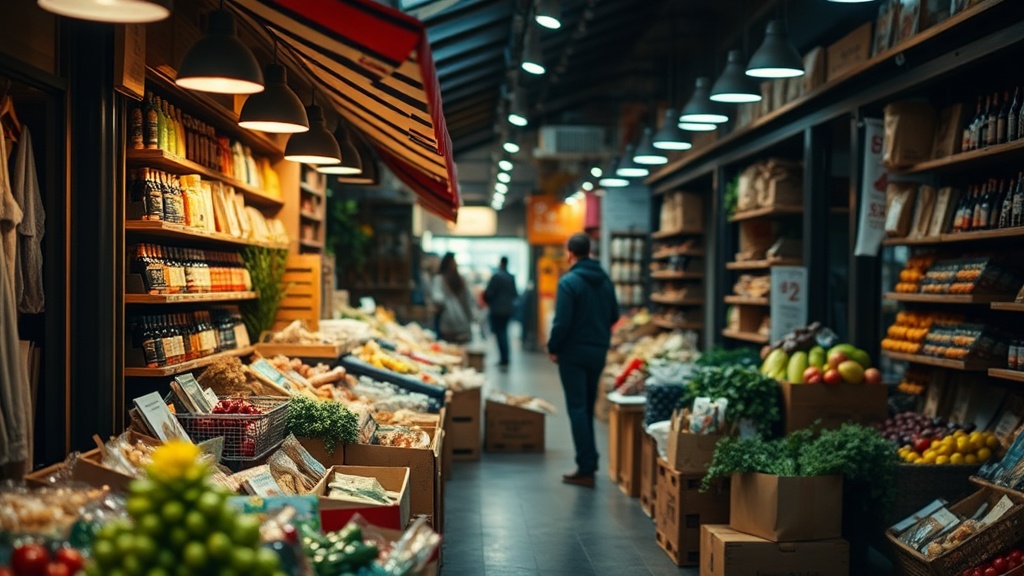
Every Saturday morning at 8:30 sharp, while many of us are still sipping our first coffee, the Marché de Chambly comes alive at Parc des Ateliers. Vendors unload crates of fresh produce, bakers arrange still-warm bread, and neighbours bump into each other while reaching for the same basket of tomatoes. This weekly ritual isn't just about buying groceries—it's about keeping money circulating within our own community, reducing the environmental impact of driving to big-box stores in Longueuil, and preserving the unique character that makes Chambly feel like home rather than just another suburb.
We have all been there—standing in a massive parking lot in Brossard or Saint-Hubert, wondering why we drove twenty minutes for items we could have found closer to home. The truth is, Chambly has developed a remarkably diverse local economy over the past decade. From Avenue Bourgogne's bustling strip of independent shops to the Pôle culturel on boulevard De Périgny, our city offers genuine alternatives to the big chains—if you know where to look and how to plan.
Where Can I Find Fresh Local Produce Without Leaving Chambly?
The Marché de Chambly operates every Saturday from 8:30 a.m. to 1:30 p.m. at Parc des Ateliers, right where the bike paths converge along Avenue Bourgogne. This isn't a tourist attraction—it's a functioning market serving residents who want quality ingredients without the markup of grocery store organic sections. The market features vendors selling locally raised meats, seasonal fruits and vegetables from Montérégie farms, artisanal cheeses, fresh breads and pastries, prepared foods for busy weeknights, and specialty items like olives, nuts, and locally made sauces.
What sets this market apart is the direct connection between producer and consumer. When you buy tomatoes from Les Jardins DiversiBio or pick up a loaf from a local baker, you're speaking directly with the people who grew or made your food. They can tell you exactly when those strawberries were picked, or how to prepare that unfamiliar squash variety. This relationship transforms shopping from a chore into a genuine community interaction—and often results in better quality at competitive prices.
The location itself makes the Saturday market a practical choice for Chambly residents. Parc des Ateliers sits at the intersection of three major bike paths: the Chambly Canal trail connecting to Saint-Jean-sur-Richelieu, the Montée du chemin de Chambly route toward Longueuil, and La Route des Champs heading toward Granby. If you live anywhere near the canal, you can cycle to the market, fill your panniers with fresh provisions, and make a morning of it. The city has invested in paved sections and rest areas specifically to make this kind of local errand easier for cyclists.
What Everyday Services Are Available Right Here in Chambly?
Beyond food, Chambly maintains a surprising range of local businesses that can handle most daily needs. Avenue Bourgogne in Vieux-Chambly hosts a concentration of independent shops, restaurants, and services within walking distance of the canal. You'll find the Centre Commercial Chambly on boulevard De Périgny for practical retail needs, including a Metro grocery store and Hart discount department store for household items.
For fitness and recreation, the Centre sportif Robert-Lebel—named after the Chambly-born hockey Hall of Fame builder—offers facilities that rival anything you'd find in larger cities. Located in our community since 1976, this centre provides indoor and outdoor skating rinks, sports programs for all ages, and community gathering spaces. Using these facilities means supporting local recreation infrastructure rather than paying membership fees to chain gyms in neighbouring cities.
The Bibliothèque de Chambly, situated at the Pôle culturel on boulevard De Périgny, represents another local resource that too many residents overlook. With nearly 85,000 documents in its collection, digital resources, and programming for children and adults, it offers far more than just books. The library's Tuesday through Thursday hours (9 a.m. to 9 p.m.) and weekend availability make it accessible for working residents. Before ordering that book online or driving to a larger library, check whether Chambly's collection already has what you need.
How Do I Actually Make Local Shopping Work with a Busy Schedule?
Transitioning to a more local shopping routine requires some initial planning, but the habits quickly become automatic. Start by identifying your regular purchases—bread, eggs, vegetables, coffee—and finding their local equivalents. The Saturday morning market becomes your anchor point for the week's fresh ingredients. For staples, the Metro at Centre Commercial Chambly or the IGA locations along boulevard Richelieu provide standard grocery items without requiring a drive to the suburbs.
Avenue Bourgogne deserves specific mention as Chambly's commercial heart. This stretch through Vieux-Chambly features local restaurants like Les Grillades du Fort—with its heated terrace overlooking the Chambly Basin—and Nord Laboratoire culinaire, where Chef Raphaël Podlasiewicz develops the seasonal menus that appear across Strøm Spa locations. These aren't tourist traps; they're establishments where locals gather, where the staff recognizes regulars, and where your business directly supports Chambly employment.
For household services—repairs, alterations, specialty retail—check the Répertoire des entreprises maintained by the Ville de Chambly. This directory specifically highlights local businesses that have registered with the city, making it easier to find a Chambly-based solution before defaulting to online ordering or driving to larger centres. The city has made a deliberate effort to support this ecosystem through initiatives like the marché public and business registration programs.
Timing matters too. The Marché de Chambly runs seasonally, typically from late spring through early fall, though specific dates vary yearly. Following their Facebook page or checking the city's website keeps you informed about special market days, holiday hours, and seasonal openings. During winter months, several vendors from the summer market operate through alternative arrangements—some offering delivery, others maintaining indoor locations—so the connection to local producers doesn't have to end when the snow falls.
What's the Real Impact of Keeping My Money in Chambly?
When you spend money at a locally owned business in Chambly, significantly more of that revenue stays within our community compared to purchases at chain stores. Local business owners tend to hire locally, source from other local suppliers, and contribute to community causes. The multiplier effect means your dollars circulate through Chambly's economy rather than being extracted to corporate headquarters elsewhere.
Beyond economics, local shopping shapes the physical character of our city. The businesses that line Avenue Bourgogne, the activity at Parc des Ateliers, the programming at our library and sports centre—these elements create the distinctive environment that makes Chambly desirable. When we support these institutions, we preserve the walkable, human-scale development that distinguishes our community from generic suburban sprawl.
There's also a practical quality-of-life factor. Shopping locally reduces driving time, parking hassles, and the environmental impact of constant trips to distant retail centres. A fifteen-minute bike ride to the Saturday market, a walk to Avenue Bourgogne for dinner, a quick drive to the Pôle culturel for library materials—these errands fit into daily life without the logistical planning required for excursions to larger cities.
Building Your Personal Local Shopping Network
Start small. Pick one regular purchase—perhaps your weekend bread or coffee—and find its local source. Visit the Marché de Chambly one Saturday morning, even if you only buy a few items. Walk Avenue Bourgogne and note the businesses you didn't know existed. Check what the Bibliothèque de Chambly offers before assuming you need to look elsewhere.
Talk to your neighbours about where they shop. In a community of roughly 31,000 residents like Chambly, word-of-mouth remains powerful. Someone on your street likely knows which vendor has the best strawberries in July, or which local shop can handle that repair you've been putting off. These conversations build the social connections that make local shopping sustainable and enjoyable.
The goal isn't perfection—occasional trips to larger centres remain necessary for certain items. But each purchase shifted to a Chambly business strengthens our local economy, reduces our collective environmental footprint, and reinforces the community ties that make this city genuinely pleasant to call home. The Marché de Chambly isn't just a place to buy vegetables; it's a weekly reminder that we live in a place capable of sustaining itself, where neighbours still do business with neighbours, and where the money we spend continues to work for our community long after the transaction is complete.