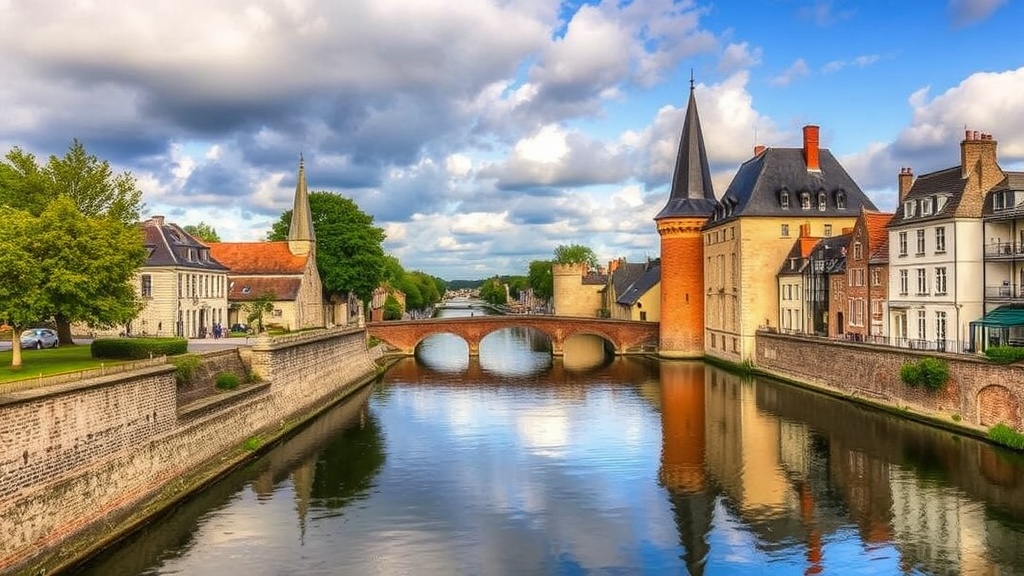
Découvrir Chambly : Le Guide Ultime du Canal et du Fort

Chambly isn't just another dot on the map between Montreal and the Eastern Townships. This riverside town packs serious punch — two National Historic Sites, one of the most scenic bike paths in Quebec, and a microbrewery scene that's quietly become the best-kept secret in Montérégie. Whether you're planning a day trip, scouting weekend activities, or considering a move to the South Shore, this guide breaks down exactly what to do at the Canal de Chambly and Fort Chambly — where to go, what to skip, and how to squeeze the most out of your visit.
What's So Special About the Canal de Chambly?
The Canal de Chambly is a 19-kilometer waterway that once moved timber and goods between New York and Montreal. Today, it's a recreational paradise — and one of Parks Canada's most underrated properties in Quebec.
Built between 1831 and 1843, the canal features nine locks that drop 18 meters along the Richelieu River. You won't find massive cruise ships here. Instead, the locks serve pleasure craft — sailboats, kayaks, and the occasional houseboat — moving between Lake Champlain and the St. Lawrence. Watching a lock operation is oddly mesmerizing. Gates open. Water equalizes. Boats rise or fall. The whole cycle takes 20-30 minutes, and it's free to watch from the pedestrian bridges.
The real star is the multi-use path running parallel to the canal. This 20-kilometer trail connects Chambly to Saint-Jean-sur-Richelieu — flat, paved, and lined with shade trees. It's accessible, family-friendly, and honestly? One of the prettiest rides in the province. Bike rentals are available at Vélo Gare near the Chambly lock station (seasonal hours, roughly May through October).
The canal operates seasonally — typically mid-May to mid-October for navigation, though the path stays open year-round for walking and fat biking in winter.
What to Do Along the Canal
- Paddle the locks. Bring your own kayak or rent from Parks Canada partner locations. You can portage around locks or lock through with motorized vessels.
- Picnic at Parc des Ateliers. Right beside Lock No. 1. Tables, grills, and direct canal views.
- Spot wildlife. Great blue herons are regulars. Turtles sun themselves on logs. The odd beaver makes an appearance at dusk.
- Grab a beer at L'Autre Œil. This brewpub sits a stone's throw from the canal path. Their "Chambly Noire" is a cult favorite among locals.
Is Fort Chambly Worth Visiting?
Yes — and not just for history buffs. Fort Chambly is the most complete example of military architecture from New France, and the site delivers way more than dusty exhibits behind glass.
The stone fort you see today dates to 1709, though wooden forts stood on the same spot as early as 1665. Built to defend against Iroquois raids and later British invasion, the structure never actually saw combat. That's part of its charm — it's pristine. The walls are original limestone. The bastions are intact. You can walk the ramparts and imagine yourself stationed here in 1711, freezing through a Richelieu River winter.
Parks Canada runs the site now, and they've done a solid job making it engaging. Costumed interpreters demonstrate 18th-century military drills. There's a blacksmith shop. The powder magazine still smells like — well, powder. Kids can try on replica uniforms. Adults will appreciate the engineering: the fort's star shape wasn't decorative. Those angled bastions eliminated blind spots and allowed defensive fire in every direction.
The museum inside covers the broader history — from Samuel de Champlain's 1609 passage through the War of 1812. Don't miss the model showing how the Richelieu River corridor functioned as a highway for invasion and trade.
Admission is reasonable (under $10 for adults, free for youth 17 and under). The fort sits in Parc national des Îles-de-Boucherville — wait, no, correction: Fort Chambly National Historic Site is its own entity, separate from the provincial park system. It's open May through October, with limited winter access to the grounds.
Fort Chambly vs. Other Quebec Forts — What Sets It Apart?
| Feature | Fort Chambly | Fort Lennox (Saint-Paul-de-l'Île-aux-Noix) | Citadelle de Québec |
|---|---|---|---|
| Original construction | 1665 (wood), 1709 (stone) | 1819-1829 | 1820-1850 |
| Combat history | None — never attacked | None | None |
| Condition | Fully restored stone | Fully restored | Active military base + museum |
| Setting | Riverside, walkable from town | Island — ferry access only | Urban Quebec City |
| Best for | Family outings, casual history | Serious history buffs, boaters | Full-day experience, Changing of Guard |
| Admission | ~$8 CAD adults | ~$9 CAD adults | ~$18 CAD adults |
The table tells the story: Fort Chambly hits a sweet spot. It's authentic without being overwhelming, accessible without being trivial.
Where Should You Eat and Drink in Chambly?
Chambly punches above its weight class for a town of 30,000. The restaurant scene reflects South Shore authenticity — no tourist traps, just solid Quebec fare with a few standout surprises.
L'Autre Œil deserves the hype. This microbrewery has been cranking out small-batch beer since 2006, and their 18 taps rotate constantly. The "Vapeur" IPA is their flagship — citrusy, bitter, dangerous at 6.5%. The food menu goes beyond pub grub: duck confit poutine, venison burgers, a solid charcuterie board. The patio overlooking the canal fills fast on summer weekends. Arrive early or prepare to wait.
For something quieter, Brasserie Saint-James sits across the street. Same owners, different vibe — more cocktails, less hops. Their gin and tonic program is surprisingly serious. House-made tonic syrups. Botanical garnishes. It works.
Craving classic Quebec comfort? Le Cochon Dingue on Boulevard de Périgny serves breakfast and lunch with zero pretension. Their crêpes are massive. The coffee is diner-strong. Prices haven't caught up to Montreal yet.
Need a post-walk treat? Chocolats Favoris on Bourgogne Avenue does dipped ice cream cones. The "Choco-Mint" is a local obsession — vanilla soft-serve plunged into dark chocolate mint coating. Messy. Worth it.
A Quick Eats Guide
- Best beer selection: L'Autre Œil — 18 rotating taps, on-site brewing, canal-view patio.
- Best date night: Brasserie Saint-James — cocktails, smaller plates, intimate lighting.
- Best breakfast: Le Cochon Dingue — giant crêpes, strong coffee, local crowd.
- Best family option: La Porte Grecque — reliable Greek standards, generous portions, kid-friendly.
- Best grab-and-go: Boulangerie Guillaume — fresh baguettes, croissants, sandwiches for your canal picnic.
How Do You Get to Chambly Without a Car?
Here's the thing — Chambly isn't as transit-challenged as you'd expect for a suburban town.
The exo Chambly-Richelieu-Carignan bus line connects to Longueuil metro (Yellow Line) with reasonable frequency — roughly every 30-60 minutes depending on time of day. From Longueuil, you're 15 minutes to downtown Montreal. The bus drops you on Boulevard de Périgny, about a 15-minute walk to the canal and fort.
Cycling from Montreal is totally doable for the ambitious. Take the Route Verte across the Jacques Cartier Bridge, follow the South Shore river path through Longueuil and Boucherville, then hop on the Canal de Chambly path at Vieux-François. Total distance: roughly 35 kilometers. Flat, scenic, and you can reward yourself with that Vapeur IPA at the end.
Driving? Highway 10 to Exit 22 (Boulevard de Périgny). Parking at Fort Chambly is free but fills by noon on summer Saturdays. Street parking along Rue Martel near the canal works as a backup — just mind the residential zones.
When's the Best Time to Visit?
Late September. The summer crowds thin out. The trees along the canal explode into reds and oranges. The temperature hovers in that perfect hoodie-and-coffee range. Fort Chambly stays open through Thanksgiving weekend, and L'Autre Œil's patio remains heated and operational.
That said, summer has its own rhythm. The Festival des Bières de Chambly hits in late August — two days of craft beer, food trucks, and live music at Parc des Ateliers. It draws 20,000+ people and sells out. Book accommodations early if you're coming for it.
Winter isn't dead time. The canal freezes. Locals skate the wide sections near Lock No. 1. The fort grounds stay open for snowshoeing (equipment rental on-site). And honestly? There's something atmospheric about a 300-year-old stone fort dusted with fresh snow.
"Chambly isn't trying to be Montreal. It isn't trying to be anywhere else. It's a working town with two world-class historic sites in its backyard — and that's exactly what makes it worth your Saturday."
The canal and fort aren't afterthoughts here. They're woven into daily life. You'll see kayakers heading out at dawn. Cyclists grabbing post-ride pints. History teachers bringing classes through the fort's gates. It's authentic in a way that manufactured "historic districts" never quite achieve.
Plan a full day. Start with coffee and a croissant from Boulangerie Guillaume. Walk the canal path — or bike it if you've got the wheels. Tour Fort Chambly in the late morning before the heat builds. Lunch at L'Autre Œil (get the patio if you can). Afternoon paddle or lock-watching. Dinner somewhere casual. Drive home with the windows down, already planning your return trip for fall colors.